For millions of people, public transportation isn’t just a commuting option — it’s a lifeline for everyday errands. From weekly grocery runs to pharmacy pickups and farmers market visits, buses, trains, and light rail systems carry shoppers and their bags across cities every single day. But there’s one challenge that car owners rarely think about: how do you keep perishables cold during a long ride home?
The Hidden Challenge of Transit Shopping
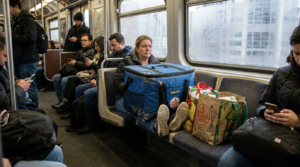 A trip that takes ten minutes by car can easily stretch to an hour or more on public transit, especially when you factor in waiting at stops, transfers between routes, and the walk on either end. Add in summer heat, a crowded bus with no air conditioning, or a long platform wait, and your refrigerated and frozen items can climb into the food-safety danger zone (above 40°F) faster than you’d think. Dairy, meat, seafood, and frozen goods are especially vulnerable — and so are medications that require refrigeration.
For transit-dependent shoppers, this isn’t a minor inconvenience. It can mean spoiled food, wasted money, and in some cases, real health risks.
Plan the Route, Not Just the List
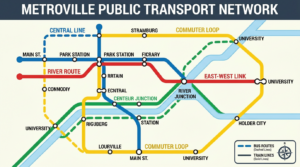 The first step is strategic shopping. Save perishables for the end of your trip so they spend less time at room temperature. If you’re combining errands, hit the grocery store last. Check the transit schedule before you leave so you’re not standing at a stop with melting ice cream for 25 minutes. Some shoppers map out routes with the fewest transfers specifically to minimize their cold-chain exposure.
Invest in a Quality Insulated Cooler Bag
A soft-sided insulated cooler bag is the single most important tool for transit grocery shopping. Look for one with thick insulation, a leak-proof lining, and comfortable straps that distribute weight across your shoulder. Collapsible models are ideal because they fold flat when empty and won’t take up valuable seat space on a crowded bus. Hard-sided coolers work too, but they’re heavier and harder to carry up stairs or onto trains.
Ice Packs Are a Game-Changer
Here’s the real secret to successful transit grocery shopping: high-quality ice packs for coolers. Unlike bags of ice from the freezer aisle — which leak, melt into puddles, and soak your produce — proper reusable ice packs for coolers stay solid, contain their cold inside a sealed shell, and keep your cooler bag dry. Brands like Icepaca have become favorites among transit shoppers because they stay frozen for hours, hold their temperature better than premium-priced competitors, and don’t leak or sweat. Toss two or three frozen ice packs into your cooler bag before leaving the house, and your groceries can survive even a 60- to 90-minute commute home in summer weather.
Small Habits, Big Difference
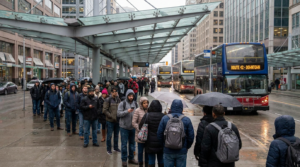 Carry a small thermal tote inside your main shopping bag for ultra-sensitive items like ice cream or sashimi. Avoid placing your cooler bag in direct sunlight on the platform. And if you’re a regular transit shopper, keep a rotation of frozen ice packs ready at home so you always have a cold set to grab on the way out the door.
Public transit and fresh groceries aren’t incompatible — they just require a little planning and the right gear.