For millions of people, public transportation isn’t just a commuting option — it’s a lifeline for everyday errands. From weekly grocery runs to pharmacy pickups and farmers market visits, buses, trains, and light rail systems carry shoppers and their bags across cities every single day. But there’s one challenge that car owners rarely think about: how do you keep perishables cold during a long ride home?
The Hidden Challenge of Transit Shopping
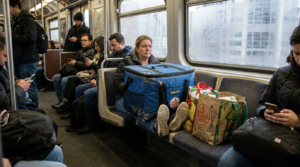 A trip that takes ten minutes by car can easily stretch to an hour or more on public transit, especially when you factor in waiting at stops, transfers between routes, and the walk on either end. Add in summer heat, a crowded bus with no air conditioning, or a long platform wait, and your refrigerated and frozen items can climb into the food-safety danger zone (above 40°F) faster than you’d think. Dairy, meat, seafood, and frozen goods are especially vulnerable — and so are medications that require refrigeration.
For transit-dependent shoppers, this isn’t a minor inconvenience. It can mean spoiled food, wasted money, and in some cases, real health risks.
Plan the Route, Not Just the List
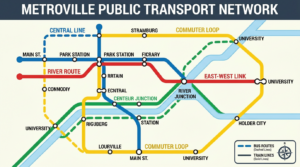 The first step is strategic shopping. Save perishables for the end of your trip so they spend less time at room temperature. If you’re combining errands, hit the grocery store last. Check the transit schedule before you leave so you’re not standing at a stop with melting ice cream for 25 minutes. Some shoppers map out routes with the fewest transfers specifically to minimize their cold-chain exposure.
Invest in a Quality Insulated Cooler Bag
A soft-sided insulated cooler bag is the single most important tool for transit grocery shopping. Look for one with thick insulation, a leak-proof lining, and comfortable straps that distribute weight across your shoulder. Collapsible models are ideal because they fold flat when empty and won’t take up valuable seat space on a crowded bus. Hard-sided coolers work too, but they’re heavier and harder to carry up stairs or onto trains.
Ice Packs Are a Game-Changer
Here’s the real secret to successful transit grocery shopping: high-quality ice packs for coolers. Unlike bags of ice from the freezer aisle — which leak, melt into puddles, and soak your produce — proper reusable ice packs for coolers stay solid, contain their cold inside a sealed shell, and keep your cooler bag dry. Brands like Icepaca have become favorites among transit shoppers because they stay frozen for hours, hold their temperature better than premium-priced competitors, and don’t leak or sweat. Toss two or three frozen ice packs into your cooler bag before leaving the house, and your groceries can survive even a 60- to 90-minute commute home in summer weather.
Small Habits, Big Difference
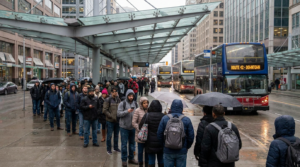 Carry a small thermal tote inside your main shopping bag for ultra-sensitive items like ice cream or sashimi. Avoid placing your cooler bag in direct sunlight on the platform. And if you’re a regular transit shopper, keep a rotation of frozen ice packs ready at home so you always have a cold set to grab on the way out the door.
Public transit and fresh groceries aren’t incompatible — they just require a little planning and the right gear.
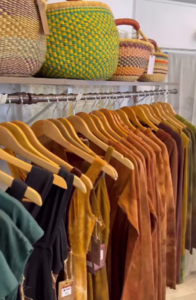 One of the most appealing aspects of Cedar Way Transit is how it links commercial districts with small, independently owned shops. Several stops along the route place visitors within walking distance of specialty food stores, artisan markets, and boutique retailers that are often missed by tourists sticking to major attractions. For example, certain downtown and mixed-use neighborhood stops give easy access to specialty olive oil shops, where travelers can sample infused oils made with citrus, herbs, or chili peppers. These shops often double as tasting rooms, offering an immersive culinary experience and a chance to bring home a distinctive souvenir that reflects local flavor.
 Near these same stops, visitors may also encounter gourmet stores featuring items like balsamic pearls, a modern culinary ingredient that has grown in popularity.
  Beyond food, Cedar Way Transit stops also serve arts and cultural districts that highlight local creativity. Some routes pass near galleries, craft studios, live performance venues, and public art installations. Visitors can step off the bus or train and immediately find themselves immersed in local art scenes that reflect the community’s identity. These stops are especially appealing for travelers who enjoy discovering places that feel lived-in rather than overly commercialized. Many of these cultural areas also feature cafés and small eateries, making them perfect for leisurely afternoons of exploration.

 For beverages, water bottles, iced tea, and coffee in sealed travel mugs are typically acceptable. Alcohol, however, is almost always prohibited on mass transit systems, and Cedar Way Transit likely follows the same rule for safety and legal reasons. Riders should also remain aware of any posted signs or announced updates, as specific lines, routes, or times of day may have additional restrictions.