Exploring a new city doesn’t always require a rental car or guided tour. For out-of-town visitors, riding local mass transit can be one of the most authentic ways to experience a destination. The Cedar Way Transit system offers more than just a convenient way to get from point A to point B—it connects travelers to a variety of interesting neighborhoods, cultural hubs, and unique local businesses that showcase the character of the area. By hopping on Cedar Way Transit, visitors can discover unexpected stops that turn an ordinary commute into a memorable part of the journey.
Commercial & Specialty Independently Owner Connection
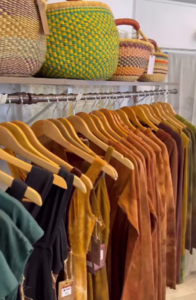 One of the most appealing aspects of Cedar Way Transit is how it links commercial districts with small, independently owned shops. Several stops along the route place visitors within walking distance of specialty food stores, artisan markets, and boutique retailers that are often missed by tourists sticking to major attractions. For example, certain downtown and mixed-use neighborhood stops give easy access to specialty olive oil shops, where travelers can sample infused oils made with citrus, herbs, or chili peppers. These shops often double as tasting rooms, offering an immersive culinary experience and a chance to bring home a distinctive souvenir that reflects local flavor.
Gourmet Stops
 Near these same stops, visitors may also encounter gourmet stores featuring items like balsamic pearls, a modern culinary ingredient that has grown in popularity. Balsamic pearls uses are small, flavor-packed spheres made from balsamic vinegar, commonly used to garnish salads, cheeses, roasted vegetables, or even desserts. For food-loving travelers, discovering these shops provides insight into how local cuisine and specialty ingredients influence the region’s dining culture. Cedar Way Transit makes it easy to explore these areas without worrying about parking or navigation, allowing visitors to focus on the experience itself.
 Beyond food, Cedar Way Transit stops also serve arts and cultural districts that highlight local creativity. Some routes pass near galleries, craft studios, live performance venues, and public art installations. Visitors can step off the bus or train and immediately find themselves immersed in local art scenes that reflect the community’s identity. These stops are especially appealing for travelers who enjoy discovering places that feel lived-in rather than overly commercialized. Many of these cultural areas also feature cafés and small eateries, making them perfect for leisurely afternoons of exploration.
Something For The Nature Lovers
Nature-focused travelers will also find appealing stops along the Cedar Way Transit system. Certain routes provide access to parks, walking trails, waterfront areas, or scenic overlooks that are ideal for a break from sightseeing on foot. These stops allow visitors to balance urban exploration with moments of relaxation outdoors. For those traveling without a car, the ability to reach green spaces via public transit is a major advantage and enhances the overall travel experience.
Cedar Way Transit offers out-of-town visitors a unique lens through which to experience the city. By connecting travelers to specialty shops like olive oil boutiques, gourmet stores offering balsamic pearls, cultural districts, and scenic areas, the system transforms everyday transportation into a sightseeing opportunity. For visitors willing to explore beyond traditional tourist routes, Cedar Way Transit provides an accessible, affordable, and enriching way to discover what makes the area truly distinctive.


 For beverages, water bottles, iced tea, and coffee in sealed travel mugs are typically acceptable. Alcohol, however, is almost always prohibited on mass transit systems, and Cedar Way Transit likely follows the same rule for safety and legal reasons. Riders should also remain aware of any posted signs or announced updates, as specific lines, routes, or times of day may have additional restrictions.